

How Much Do Plastic Business Cards Cost?
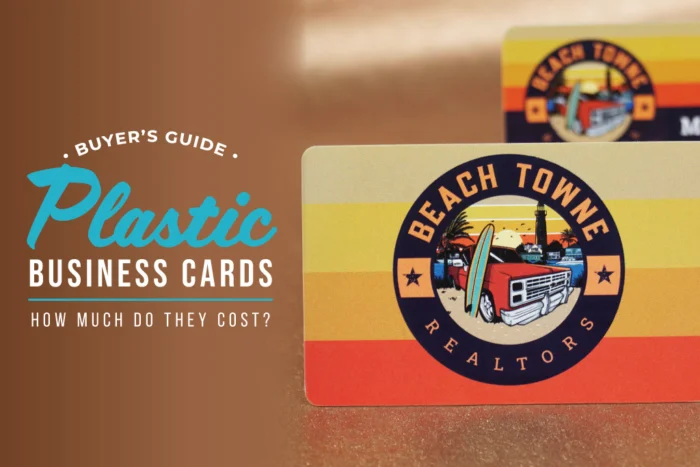
Plastic business cards cost can range anywhere from well under $1 per card to a few dollars per card, depending on the material, quantity, finish, turnaround time, and custom features you choose.
That is a broad range, but there is a reason for it. A straightforward glossy plastic card ordered in a larger quantity cost much less per piece than a small order of clear cards with foil, variable information, or other specialty features.
The good news is that plastic business cards offer plenty of ways to create something memorable without moving all the way into the price range of metal cards.
TL;DR: What Determines the Cost of Plastic Business Cards?
The final price of plastic business cards usually depends on:
- The type of plastic and finish
- The number of cards ordered
- Specialty additions such as foil or UV gloss
- Variable names, numbers, barcodes, or magnetic stripes
- Whether you provide production-ready artwork
- Any custom sizing, shaping, or advanced functionality
At My Plastic Business Card, standard plastic cards include full-color printing on both sides, so you can use the front and back of the card without paying separately for basic two-sided color printing.
How Much Do Standard Plastic Business Cards Cost?
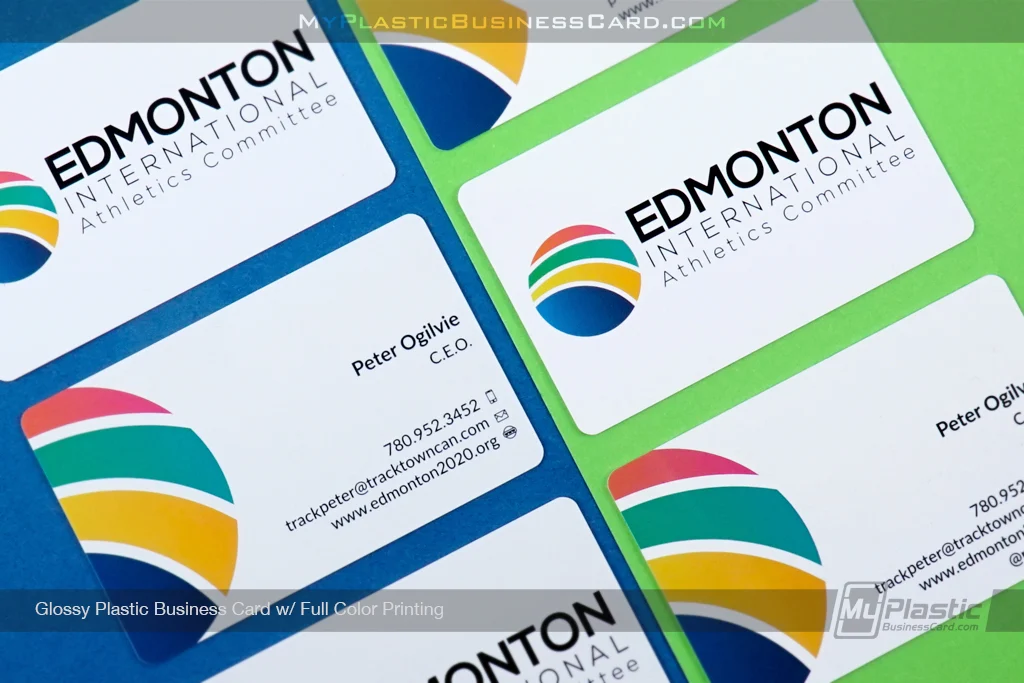
For a standard order, plastic business cards commonly fall between approximately $0.25 and $2.50 per card, based on the style and quantity selected.
That means the answer to “How much do plastic business cards cost?” depends heavily on how many you need.
A smaller order requires many of the same setup, printing, and production steps as a larger order. When those costs are spread across more cards, the price per card generally decreases.
A Simple Pricing Example
Using current standard product pricing:
- 100 glossy plastic cards: approximately $148 before optional additions
- 500 glossy plastic cards: approximately $325 before optional additions
- 1,000 glossy plastic cards: approximately $440 before optional additions
The larger order costs more overall, but the unit price drops from approximately $1.48 to $0.44 per card.
This is why it is helpful to consider both the total plastic business cards cost and the cost per piece when comparing quantities.
What Is Included in the Standard Price?
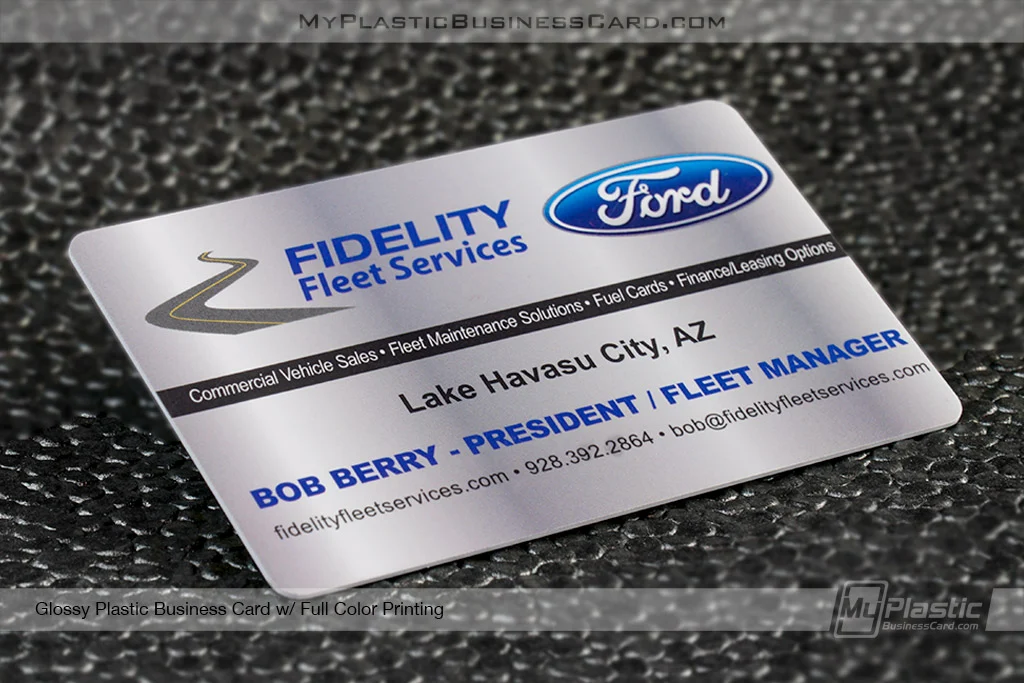
Not every plastic card company includes the same features in its base pricing, so it is important to look beyond the first number you see.
Our standard plastic business card pricing includes:
- Full-color CMYK printing
- Printing on the front and back
- Credit-card dimensions
- Rounded corners
- Your selected standard finish
Our traditional plastic cards are made in standard CR80 credit card dimensions and are approximately .76mm thick, giving them the familiar weight and feel of a card you would keep in your wallet.
Because full-color, double-sided printing is already included, you do not have to restrict your design to one side or simplify your branding just to avoid an additional basic printing charge.
Does the Type of Plastic Affect the Price?
Yes. The plastic style and finish you choose can affect how much the plastic business cards cost.
Glossy Plastic Business Cards
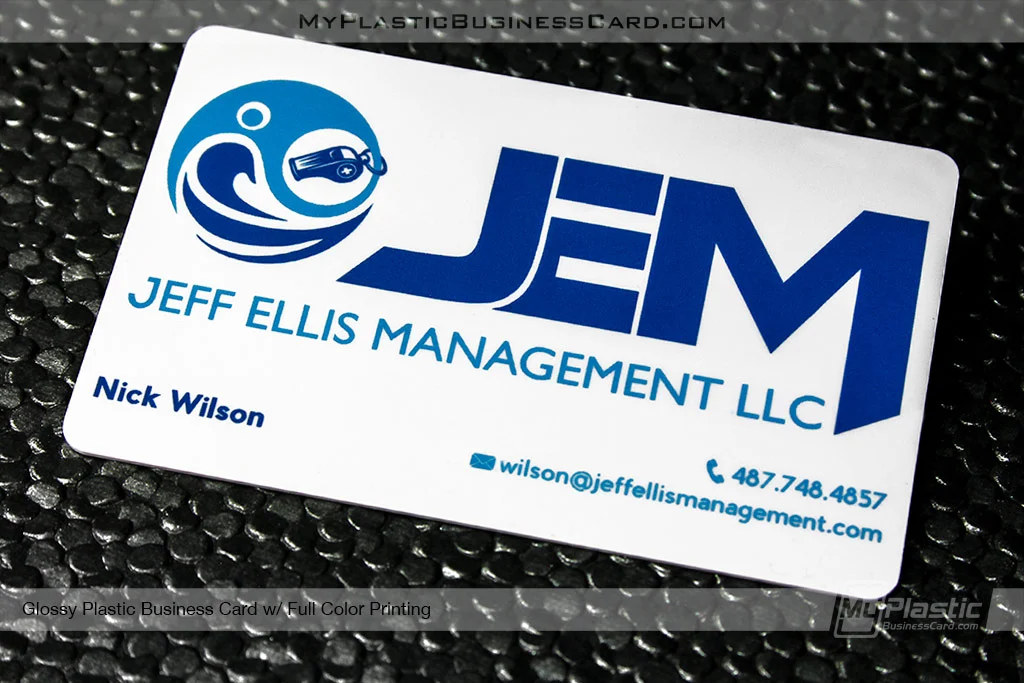
Glossy plastic cards are often one of the most budget-friendly options. The smooth, shiny surface helps colors appear bold and vibrant, making glossy cards a strong choice for colorful branding, photography, and detailed graphics.
They provide the durability and substantial feel of plastic while keeping the base price relatively approachable.
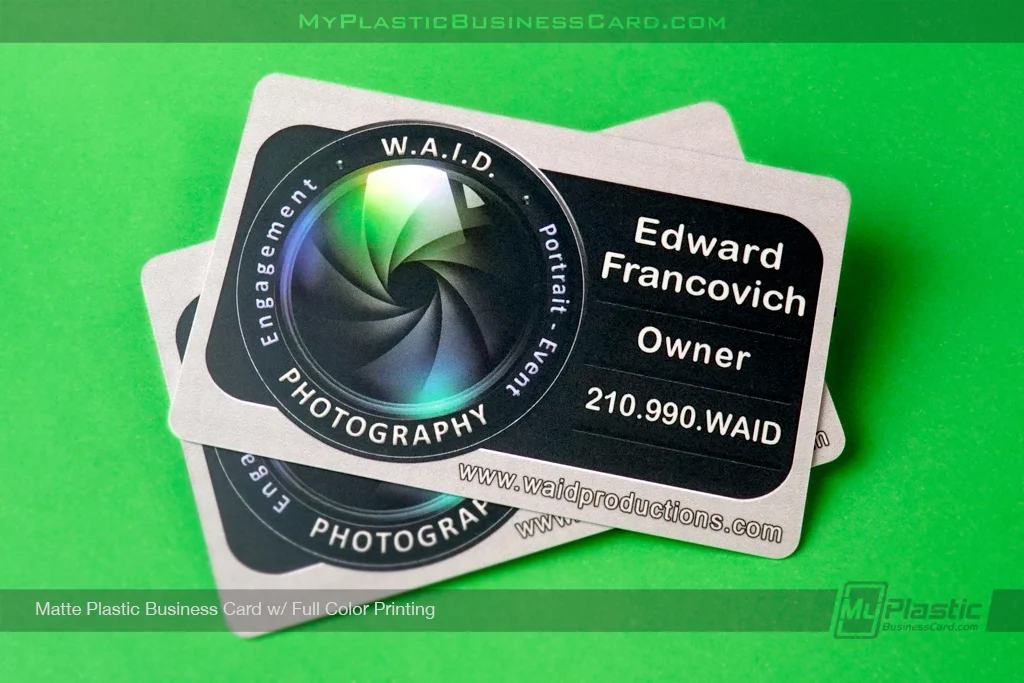
Matte Plastic Business Cards
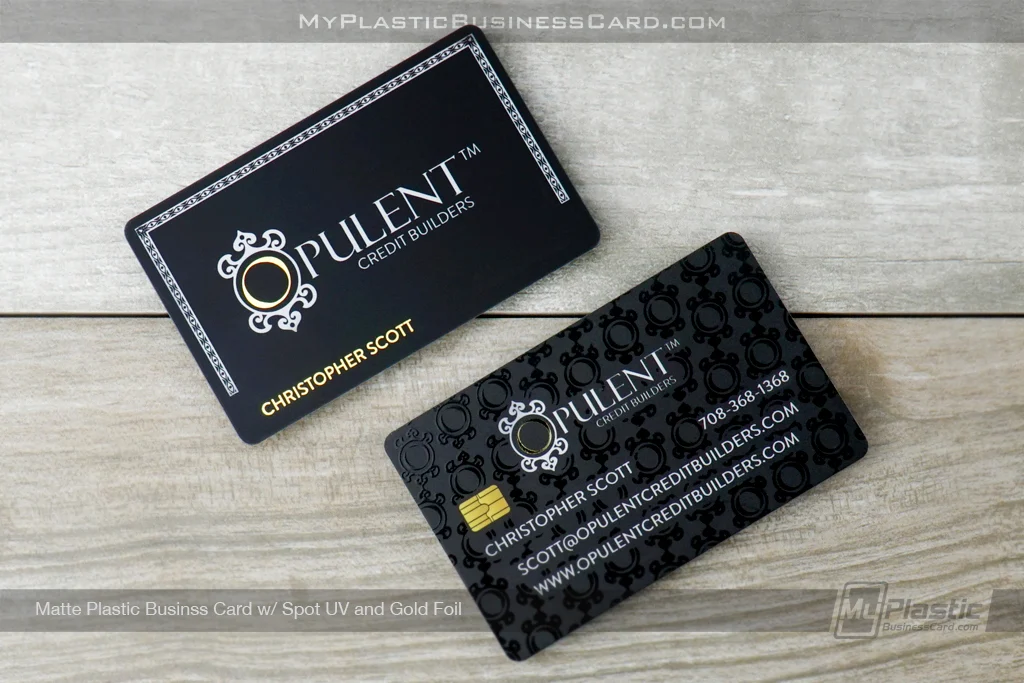
Matte plastic cards have a softer, more understated surface. They can feel especially polished when paired with simple layouts, dark backgrounds, foil, or selective gloss.
Matte and clear cards may carry a higher starting price than standard glossy plastic because of their materials and finishing processes.
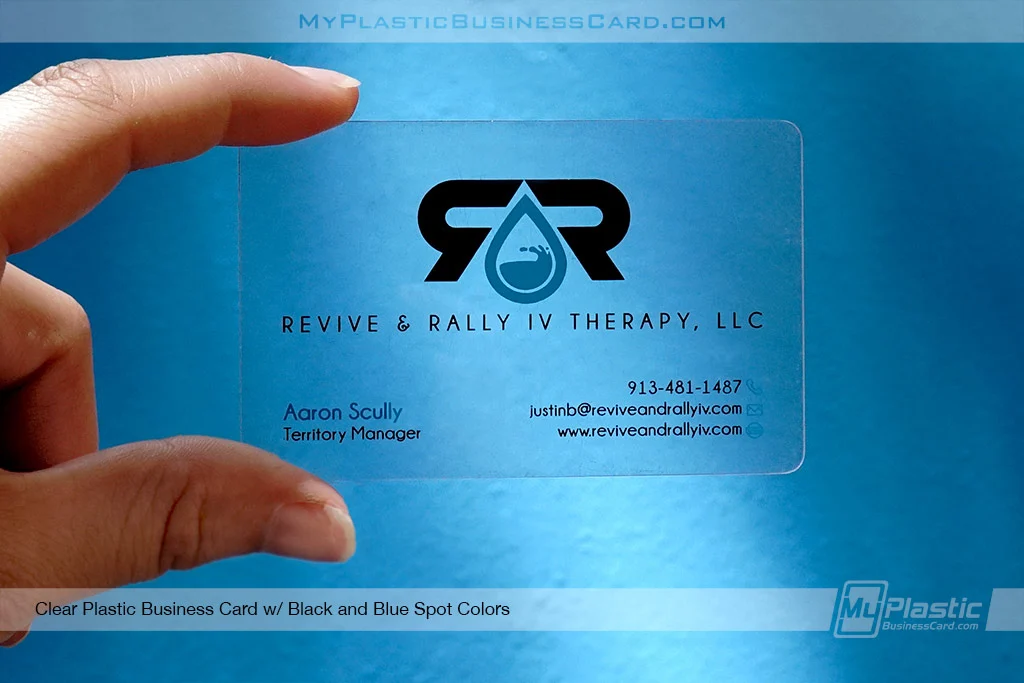
Clear Plastic Business Cards
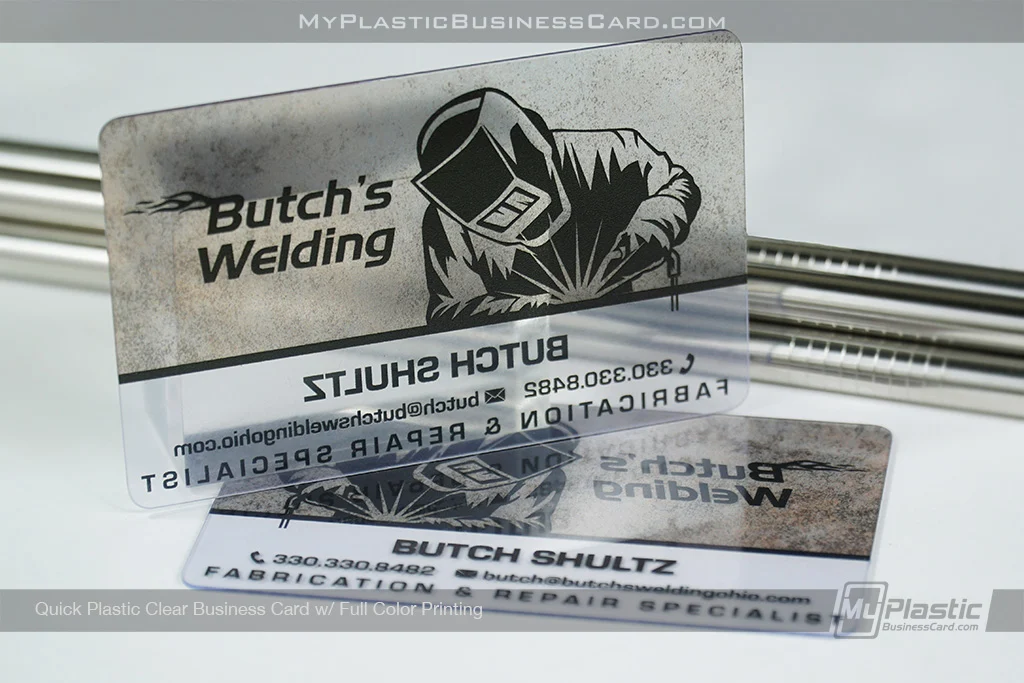
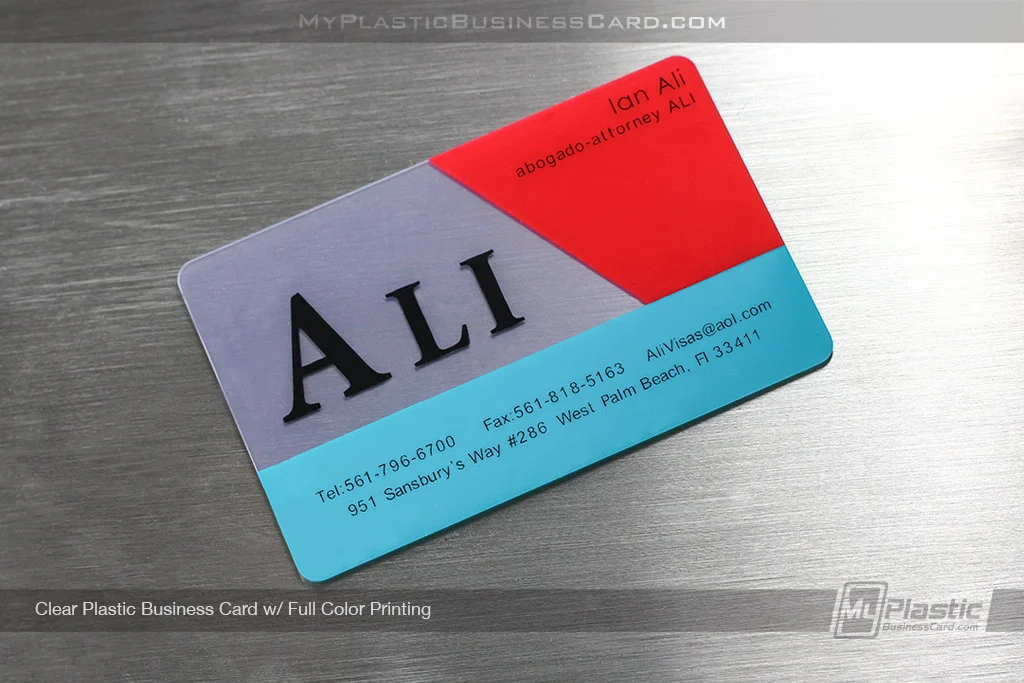
Clear plastic cards use transparency as part of the design. Logos, text, shapes, and open areas can interact with the background behind the card, creating an effect that ordinary paper cannot reproduce.
Because the clear material requires specific printing and design considerations, clear plastic cards cost more than standard glossy plastic cards.
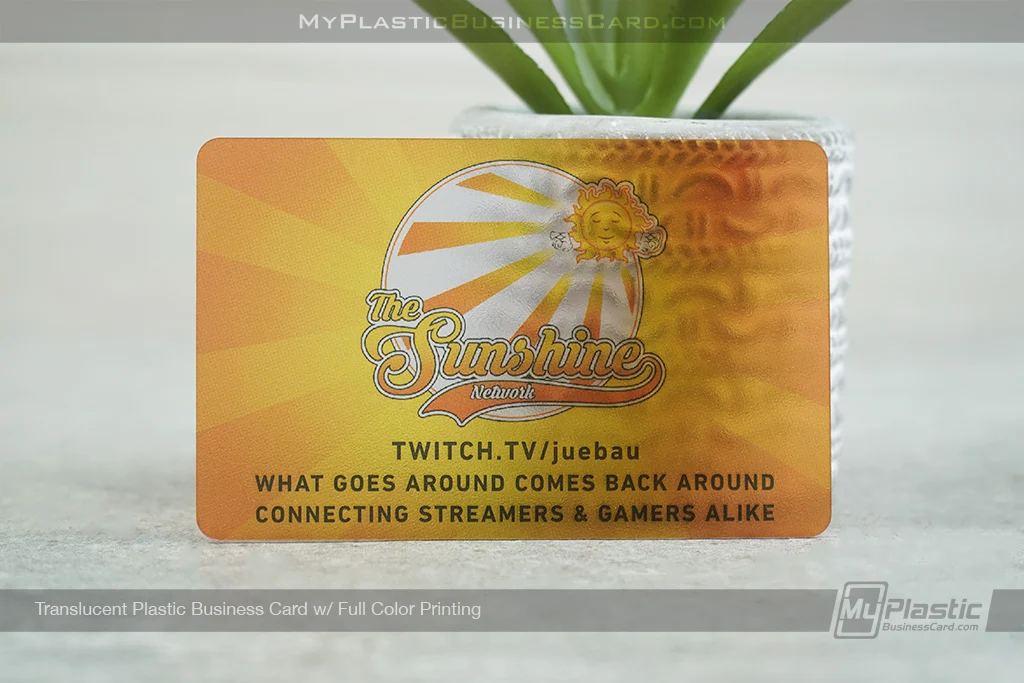
Translucent Plastic Business Cards
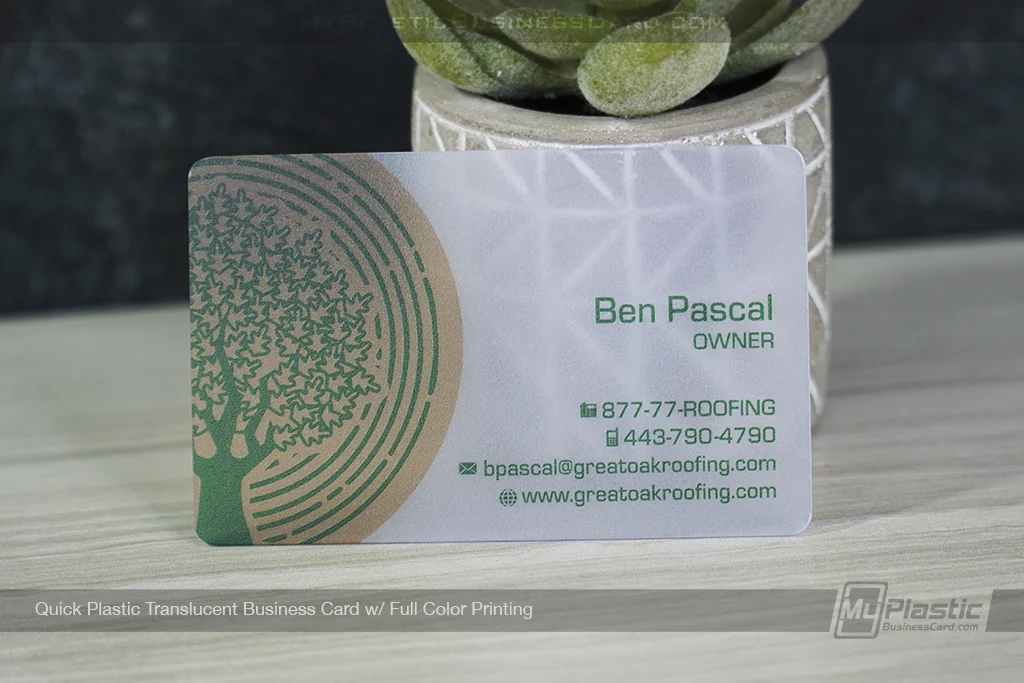
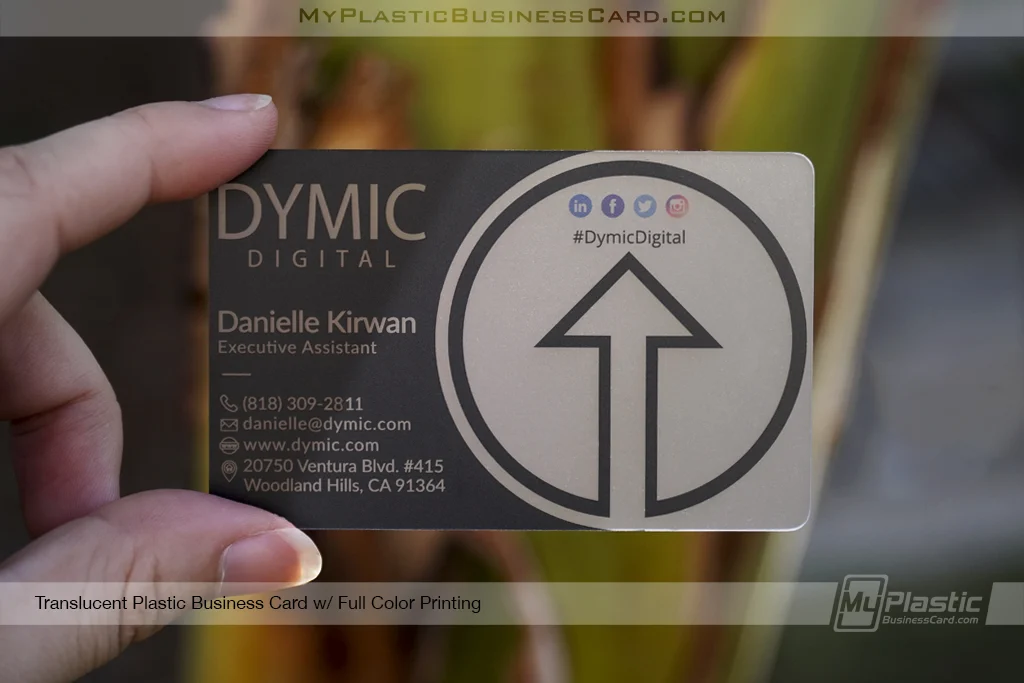
Translucent cards offer a middle ground between solid plastic and fully clear cards. Light can pass through the material, but the surface still has a soft or textured appearance.
These styles work well for brands that want the visual interest of transparency without using a completely clear card.
What Optional Features Increase the Plastic Business Cards Cost?
The biggest plastic business cards cost differences usually come from the additions you select beyond the standard card.
Foil Stamping
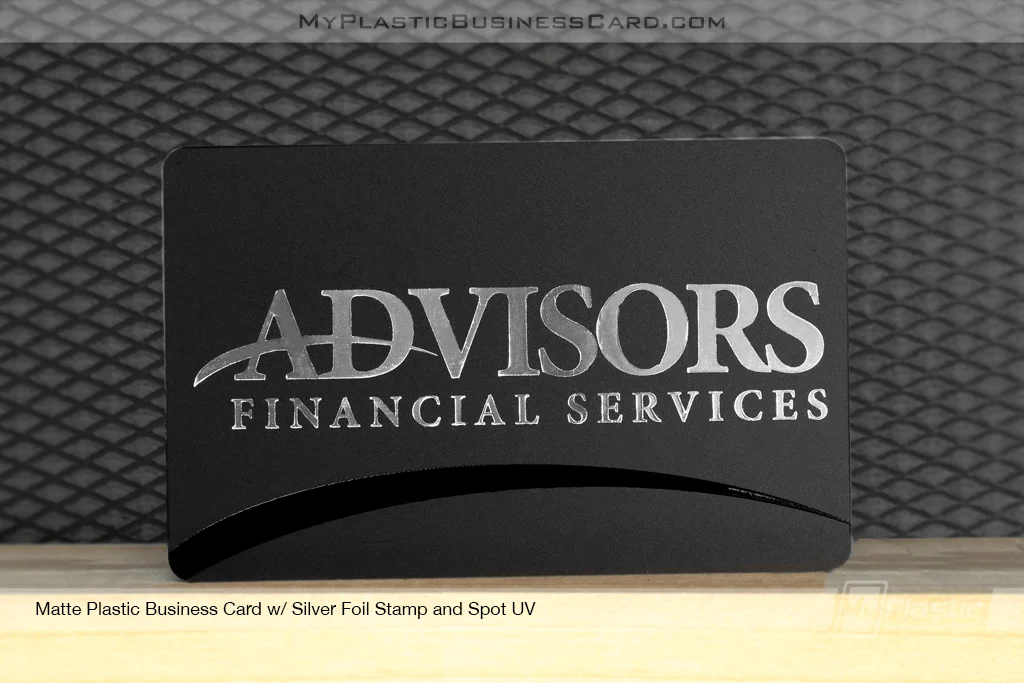
Gold or silver foil can add a reflective metallic accent to a logo, name, border, or other important detail.
Foil is especially effective when used selectively. Covering every available area is not always necessary. A small metallic element can provide enough contrast to make the design feel more premium.
UV Spot Gloss
Spot UV places a glossy coating over selected areas of a matte card. It can highlight a logo, pattern, name, or subtle background detail while the rest of the card remains matte.
The effect changes as the card moves under the light, adding visual interest without changing the entire surface.
Screen-Printed Colors
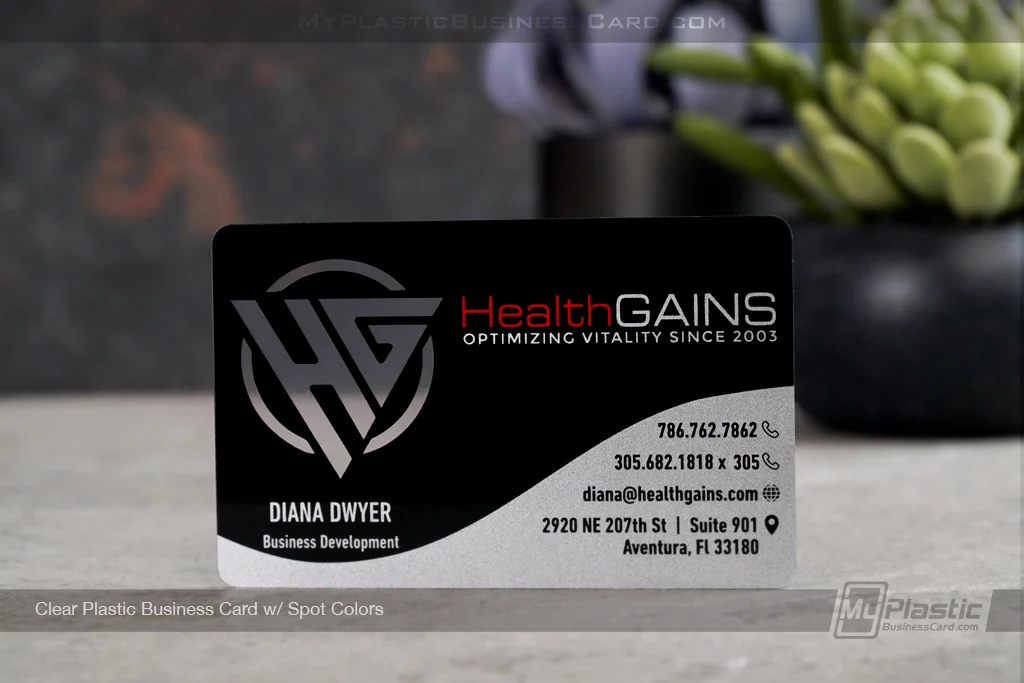
Screen printing can be added when a design needs a more opaque or specialized color application. It can be particularly useful on dark, clear, translucent, or specialty plastic materials where standard printing may create a different effect.
The plastic business cards cost will depend on the number of screen-printed colors used.
Variable Data
Variable data means that individual cards can contain different information.
Examples include:
- Employee names
- Membership numbers
- Sequential numbering
- Unique barcodes
- Individual QR codes
- Account or identification numbers
Variable data adds production complexity because each card is no longer identical. The quantity and type of changing information will help determine the added plastic business cards cost.
Magnetic Stripes and Encoding
Plastic cards can also be configured with magnetic stripes for gift cards, membership programs, identification, access systems, or other applications.
Adding the stripe is one cost consideration. Encoding unique information onto each stripe may be another.
RFID or NFC Technology
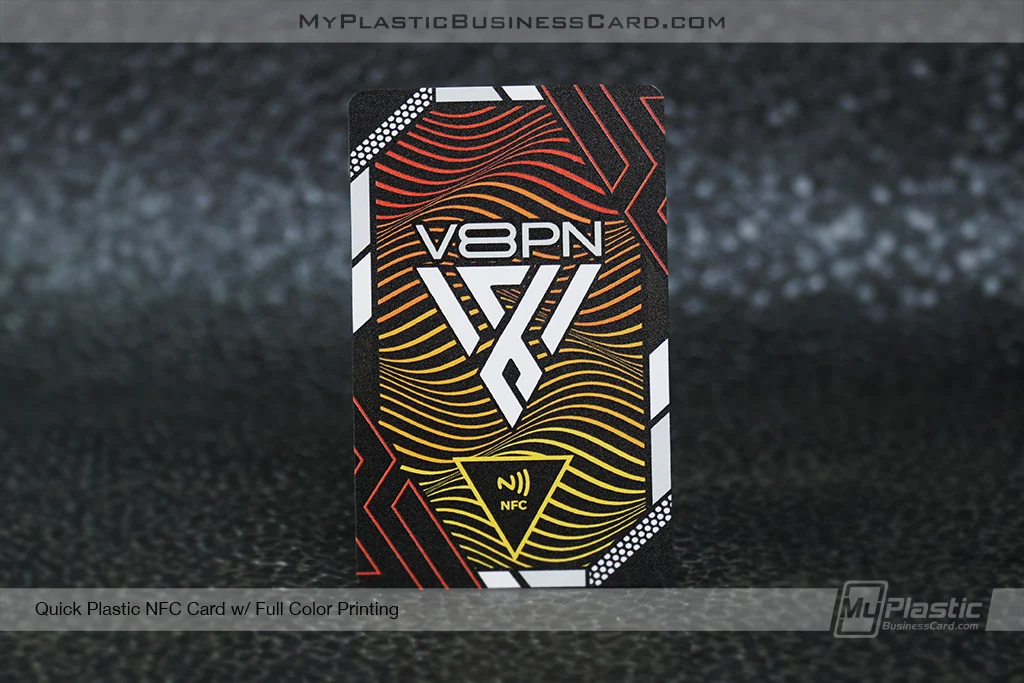
Some plastic cards can include RFID or NFC technology, allowing the card to interact with compatible systems or smartphones.
NFC business cards can open a website, contact page, portfolio, booking link, or other digital destination when tapped with a compatible phone. Since a chip must be incorporated into each card, NFC cards cost more than standard printed plastic cards.
Signature Panels, Adhesive Backing, and More
Depending on the product, other available features may include:
- Writable signature panels
- Adhesive backing
- Individual protective sleeves
- Embossed numbers
These additions can turn a business card into a membership card, promotional card, loyalty card, access card, or other functional marketing tool.
How Does Quantity Affect Plastic Card Pricing?
Quantity is often the most significant factor affecting the price per card. As the order quantity increases, the unit price generally decreases.
This does not mean every business should automatically order thousands. The best quantity is the amount you can realistically use before your contact information, branding, services, or team changes.
A growing company may benefit from a moderate order that provides a lower unit cost without creating unnecessary outdated inventory.
Do I Need to Pay for Design Services?
You do not need to add design services if you already have production-ready artwork that follows the required artwork guidelines.
However, having a logo or an image created by an online design platform does not always mean the file is ready for professional production. The artwork may still require adjustments to sizing, resolution, fonts, bleed, transparency, or specialty production layers.
A design service may be helpful when:
- You only have a logo and basic contact information
- You want help creating the full card layout
- Your existing design needs to be rebuilt
- You need guidance using clear or translucent areas
- Your design includes foil, spot gloss, screen printing, or other specialty features
You can add the design service to your order on each product page for only $60.
Are Plastic Business Cards More Affordable Than Metal Cards?
Plastic business cards are generally a more affordable premium alternative to metal cards.
Metal cards have their own unmistakable weight, sound, and feel, but the material and production processes typically require a larger investment. Plastic cards allow you to create something far more distinctive than paper while keeping the per-piece price more accessible.
They are particularly useful for businesses that need:
- A premium card in a larger quantity
- Durable cards for regular networking
- Full-color photography or complex graphics
- Clear or translucent design effects
- Employee cards with changing names or numbers
- Membership, loyalty, gift, or identification functionality
Plastic gives you more durability and visual impact than an ordinary paper card without requiring the same budget as many metal card configurations.
Are Plastic Cards Worth More Than Paper Cards?
Plastic business cards cost more than basic paper cards, but the two products do not create the same experience.
Paper can crease, absorb moisture, tear, soften around the edges, or disappear into a stack of similar cards. Plastic is more resistant to everyday wear and has a weight and structure that people notice immediately.
A plastic card can also support design features that are difficult or impossible to reproduce convincingly on standard paper, including transparent materials, magnetic stripes, scratch-off areas, signature panels, and embedded smart technology.
The question is not only, “What does each card cost?”
A better question is, “What does the card help my business communicate?”
When the card feels deliberate, durable, and aligned with your brand, it has a better chance of being remembered and kept.
Frequently Asked Questions About Plastic Business Card Costs
Is printing on both sides more expensive?
Full-color printing on both the front and back is included in the standard price of our main plastic business card products.
Why do clear plastic cards cost more?
Clear cards use a specialty transparent material and require more specific printing and artwork preparation than standard opaque glossy cards. Their unique visual effects also make them a more specialized product.
Are custom-shaped plastic cards more expensive?
Custom shapes generally require additional production work and may need a custom quote. The final cost will depend on the size, shape, quantity, and card specifications.
Can every card have a different name?
Yes. This is called variable data. Different names, numbers, barcodes, or other details can be applied to individual cards for an additional cost.
Find the Right Plastic Card for Your Budget
Plastic business cards can be simple and affordable, bold and highly customized, or somewhere in between.
A standard glossy card with full-color printing provides an accessible way to move beyond paper. Matte, clear, and translucent materials add a more distinctive visual style. Foil, UV gloss, variable data, magnetic stripes, and smart technology can provide even more impact or functionality when the project calls for it.
Start by choosing the material and quantity that fit your needs. Then add only the features that serve a clear purpose.
The result is not simply a more expensive version of a paper card. It is a durable, useful, and memorable piece of your brand—built around the impression you want to make and the budget you are comfortable investing.