

Translucent/Clear Cards: How to effectively order these and what looks good
TL;DR
- Clear and translucent plastic business cards offer a modern, premium look that paper cards cannot match.
- Clear cards are transparent, while translucent cards have a frosted, slightly opaque appearance.
- Because these materials allow light through, designs need to be planned more carefully than standard cards.
- Printing on one side can show through to the other side, especially with heavier or double-sided layouts.
- In most cases, single-sided designs create the cleanest and most effective final result.
- Minimal layouts, readable text, and thoughtful use of space usually look best on both materials.
Below, we break down how to choose between clear and translucent cards and how to design them successfully.
What is the difference between clear and translucent plastic cards?
At first glance, clear and translucent plastic cards may seem similar, but they create very different effects.
Clear plastic cards
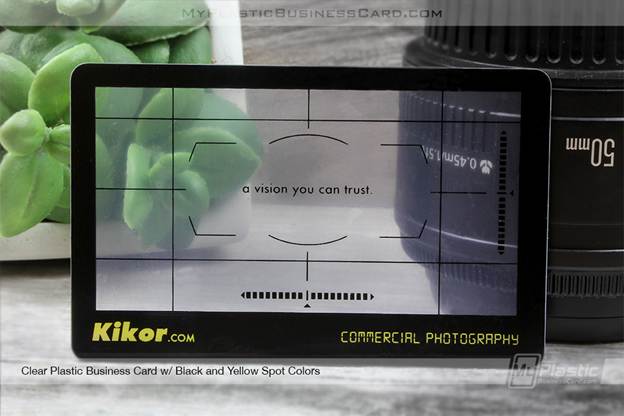
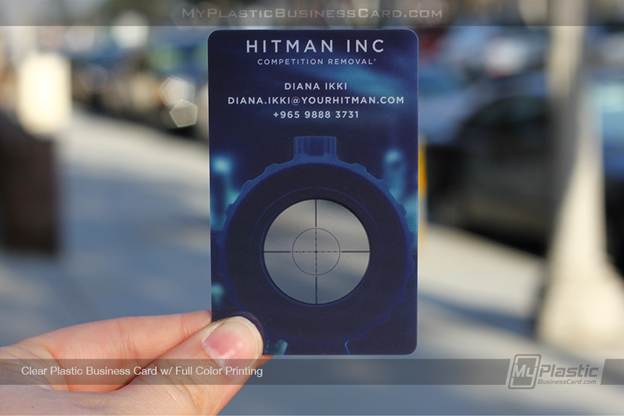
Clear plastic cards are made from transparent PVC, giving them a glass-like, see-through appearance. They have the same thickness and feel as a standard credit card, but with a much more modern and attention-grabbing look.
Our Clear Plastic Cards are crafted from durable .76mm PVC, so they feel substantial in hand and are designed to resist ripping, bending, and everyday wear. Paired with full-color printing, clear cards make it easy to create a design that feels sleek, minimal, and memorable.
Clear cards are best for brands that want:
- a clean, modern aesthetic
- a bold first impression
- minimalist designs with plenty of open space
- a premium alternative to paper business cards
Translucent plastic cards
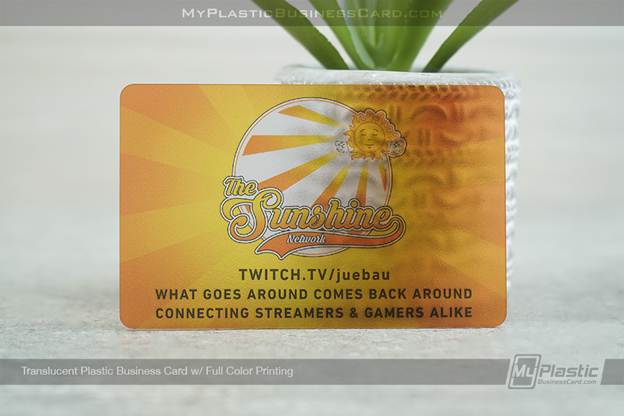
Translucent plastic cards are not fully transparent. Instead, they have a soft opacity that gives them a frosted, diffused look, similar to frosted glass.
Like our clear cards, our Translucent Plastic Cards are also made to the feel like a credit card using durable .76mm plastic, so they are sturdy, long-lasting, and designed to stand up to daily use.
Translucent cards are a great choice for brands that want:
- a softer, more subtle premium look
- a frosted finish with more visual diffusion
- a card that still feels unique but slightly less “open” than clear
- a material that helps mute whatever sits behind the card
In simple terms:
Clear = fully see-through and crisp
Translucent = frosted, slightly opaque, and softer looking
Why design strategy matters more on clear and translucent cards
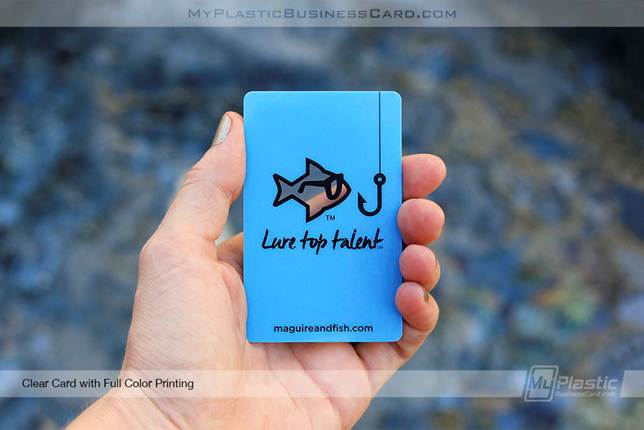
Clear and translucent cards behave differently than paper or fully opaque plastic cards.
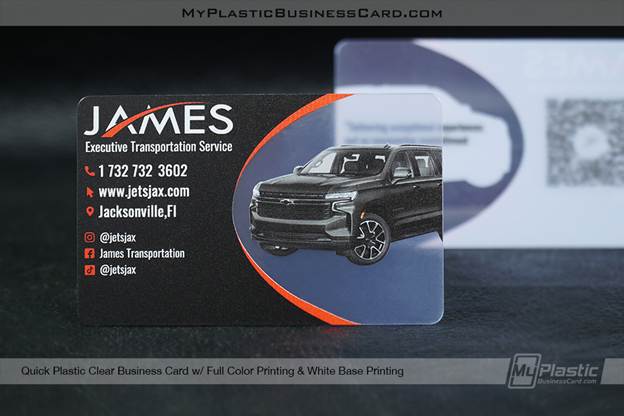
Because light passes through the material, printed artwork will also appear see-through unless an opaque printing method is added. This means anything printed on one side has the potential to visually compete with the other side.
That is why these cards usually look best when the design is planned with transparency in mind.
Do clear and translucent cards work well double-sided?
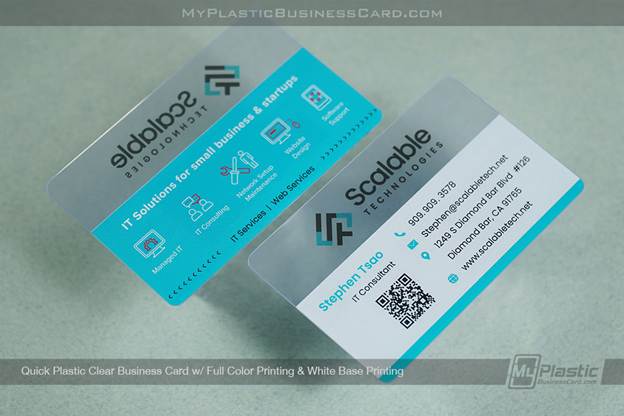
They can, but in most cases, single-sided designs work better.
With clear and translucent materials, double-sided printing can show through from front to back. Text, logos, and graphic elements may overlap visually, which can reduce readability and make the design feel cluttered.
This is especially noticeable when:
- both sides contain a lot of text
- front and back elements line up awkwardly
- small contact details need to stay easy to read
For that reason, many of the best-looking clear and translucent cards use one side as the primary design surface and leave the reverse side mostly open, lightly branded, or intentionally minimal.
If you do want to print both sides, it is important to plan the layout strategically so that elements do not interfere with each other.
Why single-sided clear and translucent cards often look best
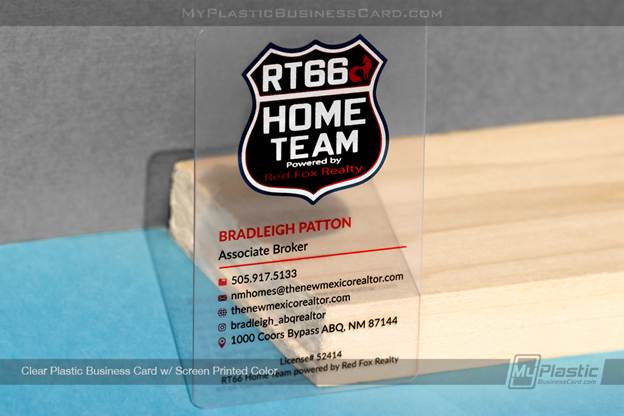
Single-sided printing gives these materials room to shine.
Instead of fighting the transparent or frosted effect, a single-sided design embraces it. You get:
- better readability
- a cleaner presentation
- more emphasis on material and finish
- a more premium, intentional look
On clear plastic, especially, negative space becomes part of the design. The transparency itself becomes a feature. On translucent plastic, a simpler layout allows the frosted effect to feel refined rather than busy.
How printing looks on clear and translucent plastic
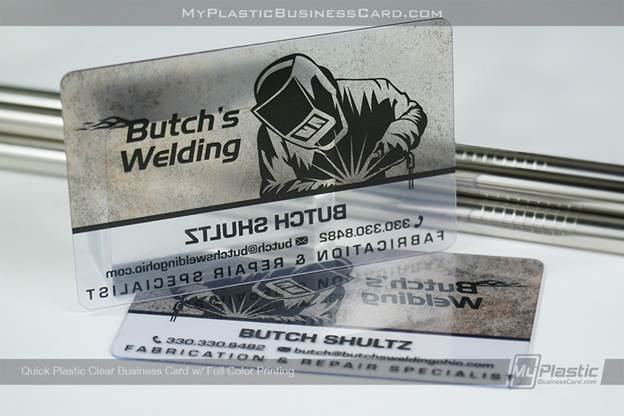
One of the most important things to understand is that standard printing on these cards will also appear clear or see-through to some degree.
That means full-color artwork printed directly onto a clear or translucent surface will not look fully opaque like it would on a white paper card. Instead, the material underneath affects the final appearance.
This can be beautiful when used intentionally. Light graphics, bold logos, and clean layouts often look striking on plastic.
However, if you want certain elements to appear solid and more opaque, you can add a screen printed color. This creates an opaque printed area that stands out strongly against the transparent or frosted background.
That option is especially useful for:
- white text
- logos that need stronger contrast
- important contact details
- designs that require more legibility
Best practices for designing clear and translucent business cards
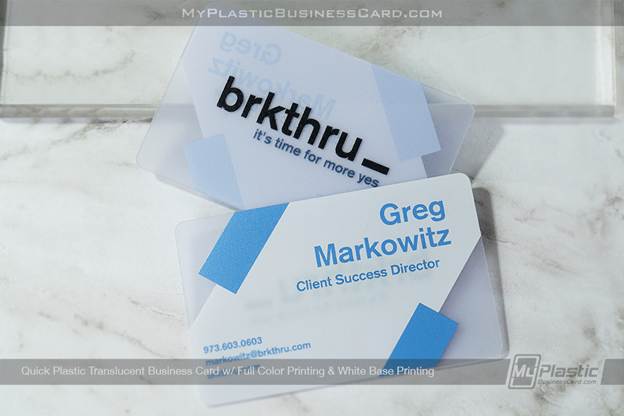
Here are the design approaches that usually work best:
1. Keep the layout simple
These materials make a big impression on their own. You do not need to overcrowd them. A clean logo, name, title, and contact details often go further than a busy layout.
2. Use negative space intentionally
Empty space is not wasted space on a clear or translucent card. It helps highlight the material and keeps the card looking modern and premium.
3. Prioritize readability
Small type, low contrast, and overlapping design elements can become harder to read on see-through materials. Make sure the most important information stays clear and easy to find.
4. Be careful with double-sided artwork
If you print on both sides, avoid stacking dense text blocks directly behind each other. Offset the layout or keep one side much lighter.
5. Consider opaque screen print for key elements
If there are parts of the design you want to stand out clearly, adding an opaque screen printed color can make a big difference.
6. Match the material to the brand feel
Choose clear plastic for a sharper, more modern transparency. Choose translucent plastic for a softer, frosted, more textured effect.
What kinds of designs look best on clear cards?
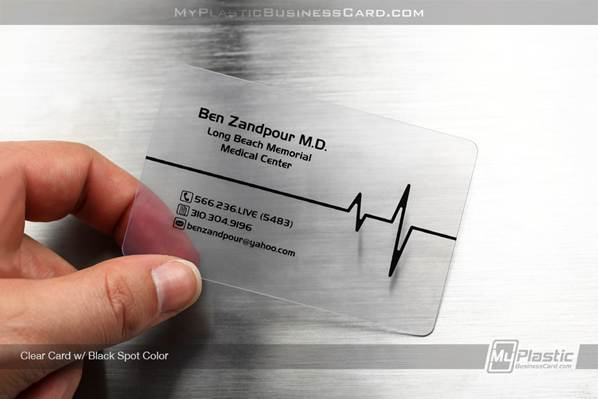
Clear plastic cards tend to look best with:
- minimalist branding
- bold logos
- modern typography
- geometric layouts
- lots of open space
- selective printing rather than full coverage
These cards are especially effective for creative professionals, luxury brands, beauty businesses, photographers, designers, and companies that want a sleek, contemporary image.
What kinds of designs look best on translucent cards?
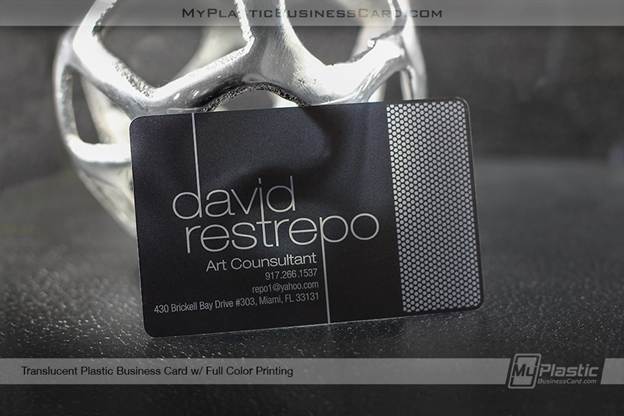
Translucent plastic cards tend to work well with:
- elegant branding
- softer color palettes
- understated layouts
- high-end service brands
- designs that benefit from a frosted, textured look
They are a strong fit for spas, wellness brands, boutiques, premium service providers, and businesses that want something unique without the fully transparent effect of clear plastic.
Are clear or translucent plastic cards durable?
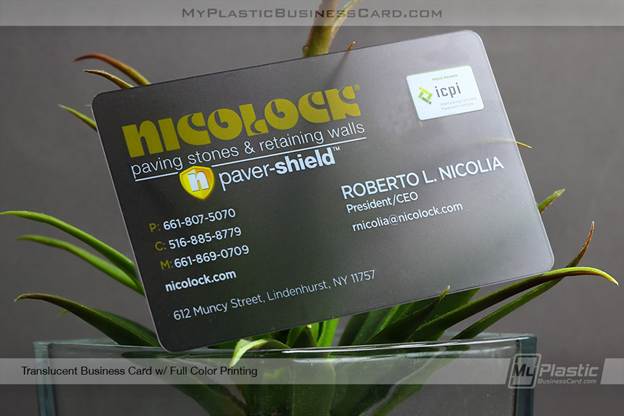
Yes. Both are made to have the feel of a standard credit card and are produced in durable .76mm plastic, so they are built to resist ripping, bending, and everyday wear much better than paper cards.
That durability is one of the biggest advantages of plastic business cards. They do not just look premium when handed out — they are also made to last.
Which should you choose: clear or translucent?
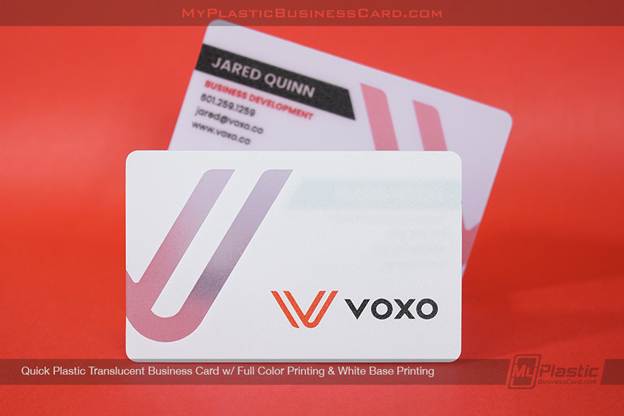
Choose clear plastic cards if you want:
- the most dramatic see-through effect
- a sleek and modern look
- a design that feels bold and minimal
Choose translucent plastic cards if you want:
- a frosted, more diffused finish
- a softer premium appearance
- something unique but slightly less stark than clear
Both options stand out far more than traditional paper cards. The best choice comes down to the visual style you want and how you plan to use the transparency in your design.
Final thoughts
Clear and translucent plastic business cards can be some of the most memorable cards you hand out — but they work best when the design is built for the material.
Because printing on these cards can show through from one side to the other, a strategic layout matters. In most cases, single-sided designs offer the cleanest and most effective result. And when you need stronger contrast, adding an opaque screen printed color can help key details stand out.
If you are looking for a card that feels modern, durable, and impossible to ignore, both clear and translucent plastic are excellent choices. The key is choosing the right finish and design with intention.
GET YOUR TRANSLUCENT PLASTIC CARDS
Frequently Asked Questions About Clear and Translucent Plastic Cards
Are clear plastic cards completely see-through?
Yes. Clear plastic cards are transparent, so you can see through the card material itself. This creates a clean, modern look that stands out immediately.
Are translucent plastic cards the same as clear cards?
No. Translucent plastic cards have a frosted, slightly opaque appearance. They still let light through, but they are not fully transparent like clear cards.
Do clear and translucent cards work well with double-sided printing?
Double-sided printing is possible, but it often does not look as clean as single-sided printing. Because the material is see-through or semi-see-through, artwork from one side can show through to the other.
Why is single-sided printing recommended?
Single-sided designs usually offer better readability and a cleaner overall look. They also let the clear or frosted material become part of the design rather than competing with artwork on both sides.
Will the printing be opaque?
Standard printing on clear or translucent cards will also appear see-through to some degree. If you want a more solid, opaque look, you can add a screen printed color.
What is the benefit of opaque screen printing?
Opaque screen printing helps important elements stand out more clearly. It is a good option for logos, text, or design features that need stronger contrast.
Are plastic business cards durable?
Yes. Our clear and translucent plastic cards are made from .76mm thick plastic, giving them the same feel as a credit card while helping them resist bending, tearing, and wear.
Which looks better: clear or translucent?
That depends on the style you want. Clear cards look sleek, modern, and bold. Translucent cards look softer, frosted, and more subtle. Both can look excellent when designed with the material in mind.